Health Benefits of Regular Walking & Outdoor Activity
Discover why walking outdoors is one of the most transformative things you can do for your physical health, mental wellbeing, and overall quality of life as you age.
Why Walking Matters More Than You Might Think
Walking isn't just exercise — it's one of the most accessible and powerful tools for maintaining health as we get older. We're talking about real, measurable improvements in heart health, bone strength, balance, and mental clarity. The best part? You don't need special equipment or expensive gym memberships.
Regular outdoor walking strengthens your cardiovascular system, improves bone density, and enhances flexibility. You'll notice changes within weeks — better sleep, improved mood, increased energy. And when you're walking in nature, especially in places like the Cuilcagh Mountain area, you're also getting the mental health benefits that come from being surrounded by green spaces.
30
minutes daily recommended
35%
lower fall risk with regular walking
4x
improvement in mobility over 12 weeks
The Physical Health Benefits You'll Actually Feel
Stronger Heart & Better Circulation
Walking increases your heart rate and improves blood flow throughout your body. After just a few weeks, you'll notice your resting heart rate drops and you can walk longer distances without getting winded.
Improved Bone Density
Weight-bearing exercise like walking stimulates bone formation and helps prevent bone loss. This is crucial for reducing osteoporosis risk and maintaining independence as you age.
Better Balance & Coordination
Walking on varied terrain — like forest trails or gentle hillsides — naturally strengthens stabilizer muscles and improves proprioception. You'll feel more confident moving around.
Enhanced Cognitive Function
Outdoor walking increases blood flow to the brain, improving memory, focus, and mental processing. Many people find their thinking is clearer after a regular walking routine.
Healthy Weight Management
Regular walking burns calories and helps maintain muscle mass, which naturally slows with age. You're building lean tissue while protecting joint health.
Better Sleep Quality
Walking, especially in natural light, regulates your sleep-wake cycle. You'll fall asleep faster and experience deeper, more restorative sleep.
The Mental & Emotional Impact
Here's what often surprises people: the mental health benefits of walking outdoors are just as powerful as the physical ones. Nature isn't just pretty — it's medicine.
When you're walking in green spaces, your stress levels drop, anxiety decreases, and mood improves. This isn't mystical. It's biology. Being outside reduces cortisol (the stress hormone), increases serotonin, and gives your mind the space it needs to process thoughts and emotions naturally.
Walking outdoors also combats isolation, which is a real health risk for older adults. Whether you're walking alone for reflection or with friends and family, you're connecting — with yourself, with nature, and with others.
Regular walkers report feeling more optimistic, sleeping better, and experiencing greater overall life satisfaction. Many find that a daily walk becomes their meditation, their thinking time, their reset button.
Getting Started: A Practical Approach
Building Your Walking Routine
1
Start Small
Begin with 10-15 minute walks on flat terrain. Don't jump into steep hillsides. Your body adapts quickly, and you'll naturally increase duration within 2-3 weeks.
2
Consistency Beats Intensity
Walking 30 minutes three times a week is far better than one intense walk per month. Your body responds to regular, moderate activity — not occasional marathons.
3
Mix It Up
Vary your routes and terrain. One day walk a flat path, another day tackle gentle slopes. This keeps muscles engaged and prevents boredom. Trails like Cuilcagh Mountain Boardwalk offer accessible variety.
4
Invest in Good Footwear
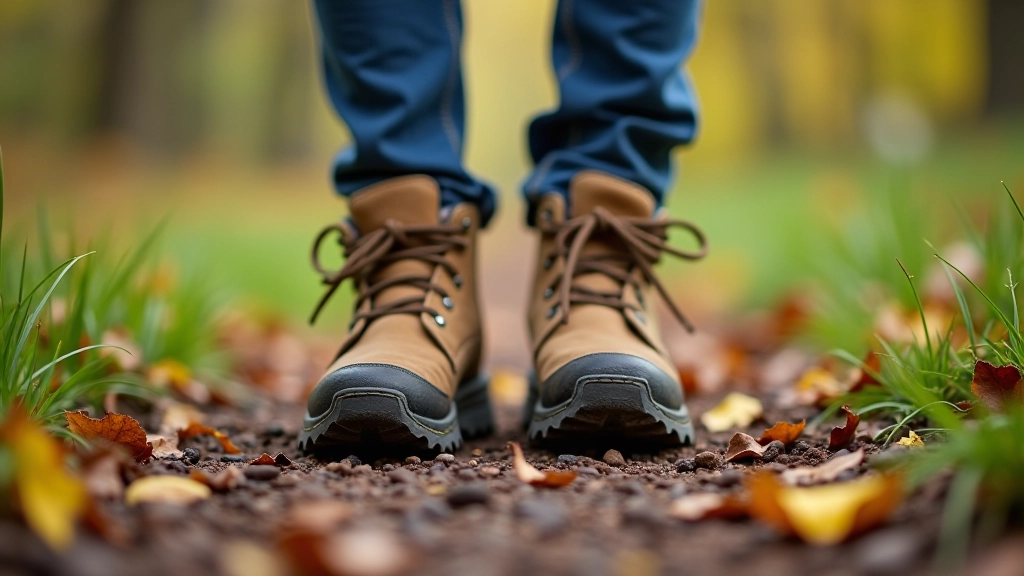
Proper walking shoes make an enormous difference in comfort and injury prevention. Look for supportive, cushioned shoes designed for walking — not running.
Smart Safety Tips for Outdoor Walking
Check the Weather
Don't let poor weather stop you — just prepare for it. Avoid walking in heavy rain or icy conditions that increase fall risk. Dress in layers so you can adjust as you warm up.
Stay Hydrated
Bring water, even on short walks. Dehydration sneaks up on you, affecting energy levels and balance. Drink before you're thirsty, especially in warmer months.
Use Walking Poles
Walking poles aren't just for mountains. They reduce impact on joints, improve balance, and engage your upper body. Many people find them genuinely helpful on trails.
Walk with Others
Walking with friends or joining a group adds accountability and safety. You're less likely to skip walks when someone's expecting you, and it's more enjoyable.
Know Your Limits
It's fine to feel challenged, but don't push into pain. Mild muscle soreness is normal. Sharp or persistent pain is a signal to rest and reassess. Progress is gradual.
Warm Up & Cool Down
Start walks at an easy pace for 5 minutes, then increase speed. End with 5 minutes of slow walking to bring your heart rate down gradually. This protects your cardiovascular system.
Making It Part of Your Life
The health benefits of regular walking aren't theoretical — they're real, measurable, and accessible to you right now. You don't need to be athletic or fit to start. You just need to step outside.
What makes walking special is that it works. It strengthens your heart, improves your mood, keeps your bones strong, and connects you to the world around you. Whether you're exploring local trails in Fermanagh and Cavan or simply walking around your neighborhood, you're investing in your health every single step.
Start this week. Pick a time, put on your shoes, and walk for 15 minutes. You'll feel the difference immediately — clearer thinking, better mood, more energy. That feeling? That's your body saying thank you.
Important Information
This article is informational only and isn't a substitute for professional medical advice. Before starting any new exercise program, especially if you have existing health conditions, consult with your doctor or healthcare provider. Everyone's physical abilities and health circumstances are different. Listen to your body, progress at your own pace, and seek professional guidance when needed.

Continue Reading