
What to Wear: Comfortable Hiking Gear for Seniors
Practical advice on footwear, layering, and gear choices that make trails more enjoyable and reduce strain on joints and feet.
Getting the right gear makes all the difference when you're hiking. We're not talking about expensive equipment or anything fancy — just thoughtful choices that keep you comfortable and confident on the trail. Your feet carry you every day. When you're walking forest paths or tackling a boardwalk trail, they deserve proper support.
The truth is, most discomfort on hikes comes from three things: shoes that don't fit right, layers that don't adjust to weather changes, and accessories that add unnecessary weight. We'll walk you through each one so you can build a hiking wardrobe that actually works for you.
Footwear: The Foundation of Comfort
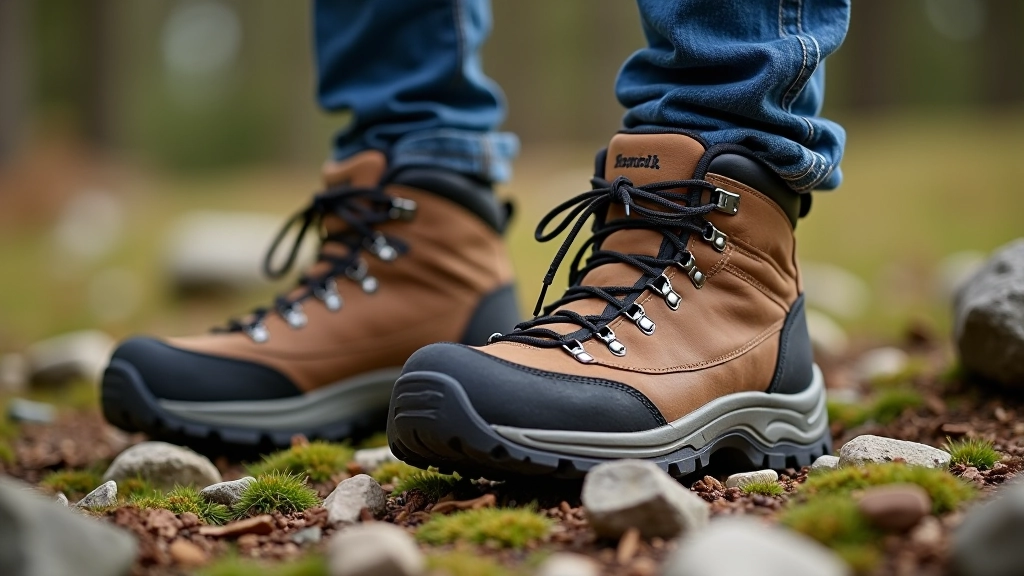
Your hiking boots are the single most important piece of gear. Don't underestimate this. The right pair can mean the difference between a joyful morning on the trail and an afternoon of sore feet and regret.
Look for boots with:
- Cushioned midsoles that absorb impact (especially important for knees and ankles)
- Wide toe boxes — your feet swell slightly when you walk, and you need room for that
- Good arch support without being rigid (flexibility matters for uneven ground)
- Non-slip soles with good grip for wet or loose terrain
One more thing: break in your boots before hitting the trail. Wear them around the house for a week, then on short walks. You'll spot uncomfortable spots early and can address them with proper socks or inserts.
Socks: The Unsung Hero
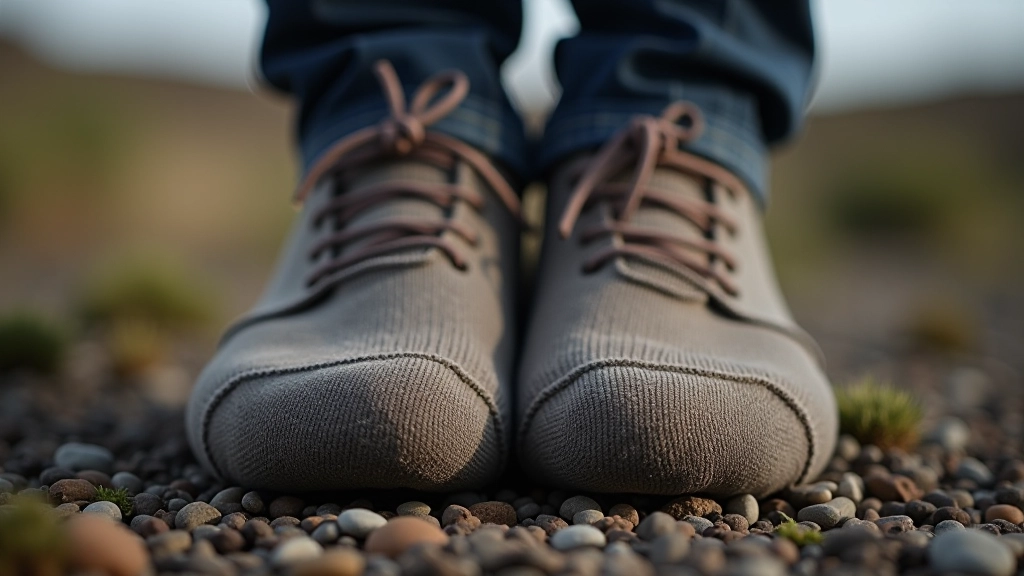
Cotton socks are your enemy on the trail. They absorb moisture, stay damp, and create blisters. You need merino wool or synthetic blend socks instead. They're moisture-wicking, breathable, and naturally antimicrobial — meaning they don't get smelly even after hours of walking.
Thickness matters too. Medium to thick socks provide extra cushioning for your feet and joints. You'll feel the difference immediately when you step onto uneven ground. Get socks specifically designed for hiking or trekking — they're engineered for impact protection and support.
Pro tip: bring an extra pair in your backpack. If your feet get damp or uncomfortable halfway through a hike, changing socks feels like magic.
Layering: Adapt to Anything
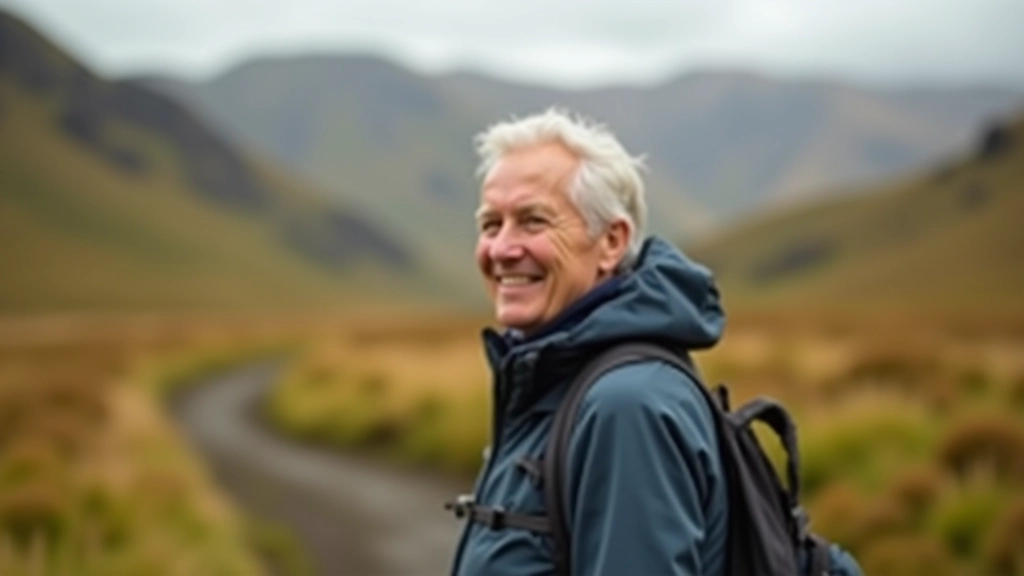
The secret to staying comfortable through changing weather isn't heavy jackets — it's layers. You can add or remove pieces as you warm up or cool down. This approach works year-round and keeps you from overheating or getting chilled.
Base Layer
Wear moisture-wicking material (merino wool or synthetic) directly against your skin. Cotton holds sweat and makes you cold. A good base layer keeps moisture away from your body, so you stay dry and warm.
Insulating Layer
Add a fleece or lightweight down jacket over your base layer. Fleece is affordable and works well even when damp. Down is lighter but less effective in wet conditions. Choose what fits your climate.
Wind & Rain Shell
A lightweight, packable jacket on top protects you from wind and rain without adding bulk. Look for breathable fabric so you don't sweat inside. This layer goes in your pack even on sunny days.
Smart Accessories That Help
A few well-chosen extras make hiking safer and more enjoyable. You don't need much — focus on practical items that serve a real purpose.
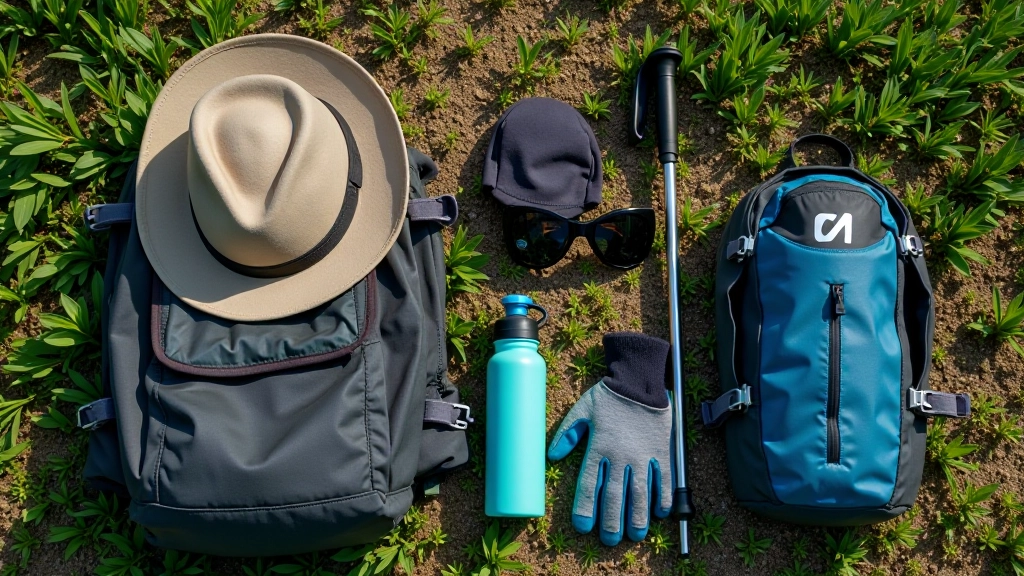
Hat and Sun Protection: A wide-brimmed hat shields your face and neck from sun, reduces glare, and helps regulate temperature. It's especially useful on open trails without tree cover.
Poles are game-changers for many hikers. Trekking poles reduce impact on your knees by up to 25% and help with balance on uneven ground. They also engage your arms and upper body, which improves endurance. Start with lightweight aluminum poles and adjust them so your elbows bend at about 90 degrees when you're standing on flat ground.
A small daypack (20-30 liters) is all you need for a few hours on the trail. Pack water, a snack, extra layers, and a basic first aid kit. Weight distribution matters — wear your pack with hip straps tightened so the load rests on your hips, not your shoulders.
Lastly, gloves in cool months and sunglasses in bright conditions. These seem minor, but they prevent fatigue and discomfort that builds up over hours of walking.
Fitting and Testing Before You Go
Don't assume your regular shoe size applies to hiking boots. Many people go up a half-size for hiking because your feet swell during activity and you need room for thicker socks. Visit a store that specializes in outdoor gear if you can — staff there understand fit and can watch you walk in the boots.
1
Shop in the afternoon
Your feet swell throughout the day. Fitting boots in the afternoon gives you a more realistic sense of how they'll feel during an actual hike.
2
Wear your hiking socks
Always try boots with the actual socks you'll wear on trails. This changes the fit significantly and helps you avoid blisters.
3
Test on slopes
Most good outdoor stores have a small hill or slope. Walk up and down to test how the boot performs and whether your heel slips.
4
Check for pressure points
Walk around for 15-20 minutes in the store. Your feet shouldn't have hot spots or pressure anywhere. If they do, try a different style.
Enjoy the Trail, Not the Discomfort
Good hiking gear isn't complicated. It's about comfort, support, and practicality. Invest in quality boots and socks — these are your foundation. Layer your clothing so you can adapt to weather. Bring a few smart accessories that reduce strain and improve safety.
You don't need the most expensive equipment. You need gear that fits well, supports your body, and lets you focus on enjoying the scenery instead of your aching feet. When you're properly equipped, hiking becomes what it should be: a peaceful, joyful experience in nature.
Start with these essentials, test them on shorter walks, and adjust as needed. Every body is different, and what works perfectly for someone else might need tweaking for you. That's normal. Pay attention to how you feel, make adjustments, and you'll find the setup that lets you hike with confidence and comfort.
Important Information
This article provides general guidance on hiking gear and clothing choices. Individual comfort and safety needs vary based on personal health conditions, fitness level, and terrain. If you have joint pain, mobility concerns, or other health conditions that might affect your hiking, consult with your doctor or a physical therapist before beginning a new hiking routine. The recommendations here are educational and intended to help you make informed decisions about outdoor gear. Always assess trail difficulty, weather conditions, and your own capabilities before setting out.